SEO strategy for product brands
SEO Research and Content Blueprint for Ecommerce Brands
A practical, intent-first way to plan Shopify content that can earn search visibility, support buyers, and strengthen the rest of your store instead of chasing isolated keywords.
A page should not exist only because a keyword exists. For a Shopify or ecommerce brand, a useful SEO page has a job: help the buyer understand a problem, compare options, trust the store, and move to the next sensible action. The keyword is only the doorway.
This guide turns the raw research checklist into a publishing system for product brands. It covers search landscape analysis, competitor review, intent mapping, semantic topics, community questions, content gaps, visuals, structured data, internal links, and CTAs. The goal is not to write the longest article. The goal is to publish pages that answer a real buyer need better than the current search results.
Start with search landscape analysis
Before writing, review what already ranks. Classify the current results by page type: service page, guide, comparison, category page, video, forum discussion, marketplace, or tool. Then ask what the search result is telling you about the user. Are they learning a concept, comparing platforms, checking cost, looking for a checklist, or ready to buy?
Google's SEO starter guide frames SEO as improving a site's presence in Search through crawlable, understandable, helpful pages. For ecommerce brands, that means the research should shape the page format. A query about "Shopify store setup cost" needs budget clarity. A query about "clothing brand website" needs category-specific trust and product-page advice. A query about "Shopify launch checklist" needs steps, not a sales pitch.
What to record from the top results
- Page type, audience, search intent, and commercial angle.
- Heading structure, approximate depth, tables, FAQs, visuals, and CTAs.
- Trust signals: author, date, sources, examples, policies, reviews, or proof.
- Internal links and how each site moves the reader to a service or next guide.
- Missing answers, shallow sections, outdated advice, and weak mobile experience.
Map the intent before choosing the page format
Search intent is not a label to add at the end. It decides the entire page. If the reader is comparing options, give them a comparison. If they are worried about cost, show what is included and what is separate. If they are preparing a launch, give them a checklist they can use. This is also where emotional intent matters: small business owners are often looking for confidence, scope clarity, and a lower-risk path.
| Intent | Example searches | Best page type |
|---|---|---|
| Commercial investigation | Shopify setup cost, platform comparison, category store examples | Comparison page, cost guide, service explainer |
| Transactional | Shopify store setup India, ecommerce website development India | Service page with scope, proof, pricing context, and CTA |
| Informational | How to launch a Shopify store, product page checklist | Checklist, how-to guide, glossary, template |
| Brand/category support | Clothing brand website, jewellery ecommerce website | Industry-specific page with trust details and examples |
This is why Readyflow's cluster includes a Shopify setup cost guide, a Shopify vs WooCommerce comparison, and category guides for clothing and jewellery. They do not all answer the same intent, but together they help the same buyer journey.
Use semantic SEO without stuffing terms
Semantic SEO means covering the topic network a buyer expects, not hiding synonyms in every paragraph. For a Shopify content plan, this includes products, categories, payments, COD, shipping, policies, product data, mobile experience, page speed, collection structure, image alt text, and structured data. These entities help the page make sense to humans and machines.
Google's recent guidance for generative AI features says foundational SEO still applies because AI experiences rely on Google's core Search systems and index. It also warns against chasing special AI-only tricks. Use the same discipline: helpful pages, clear technical access, good snippets, original value, and a store that can be crawled and understood. See Google's generative AI optimization guidance for the current official framing.
Turn research into a page blueprint
A useful blueprint is specific enough that a writer, designer, and developer can build the same page without guessing. It should state the primary intent, secondary questions, required proof, internal links, image plan, schema needs, and CTA placement. This prevents thin pages that say the same thing in different words.
Recommended page structure
- H1 and deck that name the topic and audience clearly.
- Quick answer for users who need the summary first.
- Search-intent section that explains the decision or problem.
- Process, checklist, comparison, or framework that adds information gain.
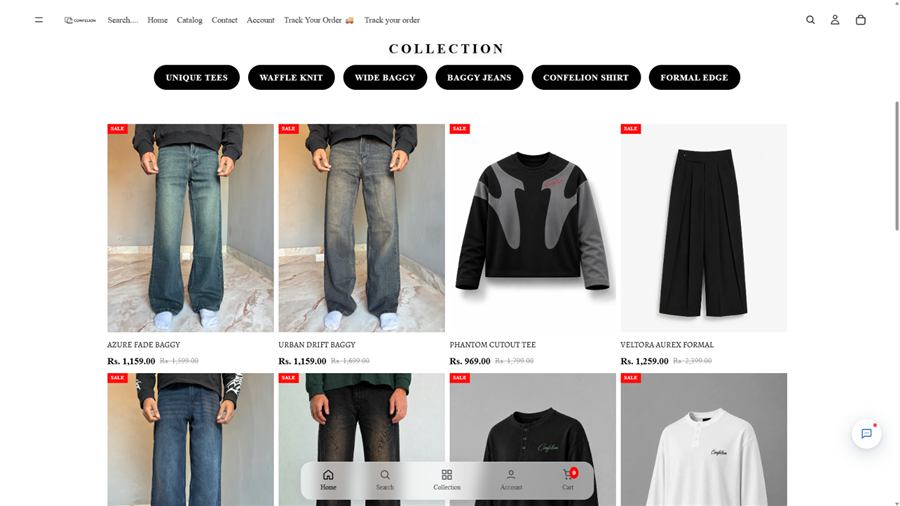
- Examples, visuals, screenshots, or product-category details where relevant.
- Internal links to parent, sibling, and next-step pages.
- FAQ section based on real questions, not filler.
- CTA that matches the reader's stage.
Google's people-first content guidance is a useful quality filter here. If the page would not help a real store owner make a better decision, it probably does not deserve to exist.
Visual and media plan
Visuals should make the page easier to understand. Use diagrams for process, tables for comparisons, screenshots for examples, and product images where the reader needs to inspect the real store experience. For ecommerce pages, connect visuals to product browsing, checkout, trust, or mobile usability rather than abstract marketing graphics.
Schema, product data, and technical trust
Structured data is not a magic ranking lever, but it helps Google understand page information and can make eligible content appear in richer formats. Google's structured data introduction explains the role of markup, while product structured data guidance is especially relevant for stores.
- Use Article or BlogPosting schema for editorial guides.
- Use FAQPage schema only when the page includes real visible FAQs.
- Use Product data on product pages where required fields are accurate.
- Use BreadcrumbList so hierarchy is clear.
- Keep schema consistent with visible content.
Page experience also matters because buyers and search engines both have to use the page. Google's page experience guidance points to secure access, Core Web Vitals, intrusive interstitials, and usability as part of the experience picture. For a mobile-led Shopify brand, this belongs in the content plan, not only in development QA.
A simple publishing checklist
- One primary intent and one clear audience.
- Title, meta description, H1, and introduction aligned to the intent.
- Original framework, checklist, comparison, or example that adds information gain.
- Useful images with descriptive alt text and stable dimensions.
- Contextual internal links to the parent service and related guides.
- FAQ answers based on real objections and next-step questions.
- Structured data that matches visible content.
- Mobile review for readability, spacing, tables, CTAs, and image cropping.
For a new Shopify store, publish fewer pages at higher quality. A strong service page, cost guide, launch checklist, category-specific page, and a few comparison or question-led guides usually build more authority than a pile of thin weekly posts.
Frequently asked questions
SEO content blueprint questions
What is an SEO research and content blueprint?+
An SEO research and content blueprint is a practical plan for one page or a content cluster. It maps search intent, competitor patterns, content gaps, semantic topics, internal links, visuals, schema, and conversion goals before writing or designing the page.
How is this different from keyword research?+
Keyword research lists search terms. A content blueprint decides what the page must do for the user: answer the real intent, show proof, cover related questions, connect to the right internal pages, and give the visitor a sensible next step.
Do ecommerce brands need blog content to rank?+
Not always. Many stores first need better collection pages, product pages, service pages, launch checklists, and comparison guides. Blog articles help when they answer a real buyer question that the store can credibly support.
What should a Shopify SEO content plan include?+
It should include priority pages, target intent, product or category entities, on-page sections, title and description guidance, internal links, image needs, structured data notes, and a review process for mobile usability and helpfulness.
Can AI search replace normal SEO planning?+
No. Google's guidance says foundational SEO still matters for generative AI features because those features depend on Google's core Search systems and index. Helpful content, crawlable pages, technical basics, and clear entities still matter.
How often should a content blueprint be updated?+
Review important pages when products, pricing, platform rules, competitor pages, SERP features, or customer questions change. For a small ecommerce brand, a quarterly content review is usually more useful than publishing weak posts every week.
The practical next step
Build the store and the content system together.
A mobile-first Shopify launch works harder when the pages answer real buyer intent, link to each other clearly, and give customers proof at the right moment.